US-Iran Nuclear Talks Show Progress, but Major Obstacles Keep Deal Uncertain
Nuclear negotiations between the United States and Iran in Geneva, Switzerland, have produced cautious optimism, with mediators describing the latest round of discussions as constructive. However, despite encouraging signals from both sides, significant disagreements over sanctions, uranium enrichment, and regional security continue to cloud the prospects for a lasting agreement.
Following the February 26 talks, Omani Foreign Minister Sayyid Badr Albusaidi announced that negotiations had made “significant progress” and said discussions would resume after consultations in Washington and Tehran. Technical-level meetings are expected to take place in Vienna next week, where experts will continue working on unresolved issues.
Iranian Foreign Minister Abbas Araqchi described the latest meeting as one of the most serious rounds of negotiations in recent years. He acknowledged that while the two sides had reached consensus on several technical matters, important differences remain. Tehran continues to insist that any agreement must include the lifting of U.S. sanctions while preserving Iran’s right to enrich uranium for civilian purposes.
According to reports from Axios and The Wall Street Journal, U.S. negotiators are seeking a far more comprehensive agreement than previous nuclear arrangements. Washington is reportedly pushing for the closure of Iran’s primary nuclear facilities at Fordow, Natanz, and Isfahan, along with the transfer of Iran’s enriched uranium stockpile out of the country. Iranian officials have rejected those demands, arguing that they violate the country’s sovereignty and legitimate nuclear rights.
Senior Iranian adviser Ali Shamkhani reiterated that Iran has no intention of developing nuclear weapons, citing the country’s longstanding religious decree prohibiting such arms. He suggested that if the international community’s only concern is preventing nuclear weaponization, an agreement could be reached relatively quickly.
While diplomacy continues, both nations are simultaneously preparing for the possibility that negotiations could fail. The United States has reinforced its military presence across the Middle East with additional carrier strike groups, fighter aircraft, and troops stationed at regional bases. Reports also indicate that contingency plans for limited military strikes remain under consideration should diplomatic efforts collapse.
Iran has responded by conducting military exercises near the Strait of Hormuz, demonstrating its ability to disrupt one of the world’s most important oil shipping routes if conflict erupts. Iranian leaders have repeatedly warned that any military attack would trigger a forceful response against U.S. and allied interests throughout the region.
Regional analysts believe Israel continues to play a significant role behind the scenes, with some arguing that many of Washington’s negotiating demands closely align with Israeli security concerns. Others describe the current situation as a strategy of “coercive diplomacy,” in which both sides combine negotiations with visible military preparations to strengthen their bargaining positions.
Experts remain divided over whether a breakthrough is achievable. Iran continues to view its civilian nuclear program, missile capabilities, and regional influence as non-negotiable national interests, while the United States seeks broader security guarantees that extend well beyond the nuclear issue itself.
Many analysts believe both governments understand the enormous economic and military costs of a direct confrontation, making diplomacy the preferred path despite ongoing tensions. Some suggest that an interim technical agreement remains possible, reducing immediate risks while allowing negotiations to continue on more difficult political issues.
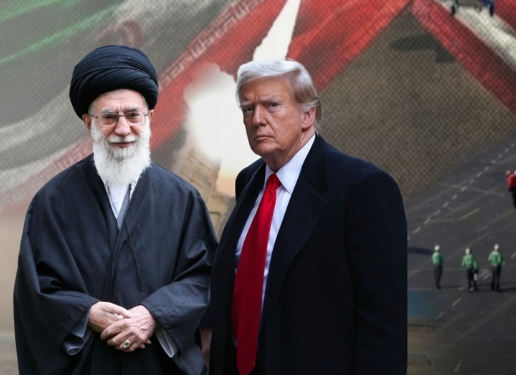
For President Donald Trump, the diplomatic process presents a difficult balancing act. He faces pressure from domestic critics demanding a tougher stance on Iran while also confronting the potentially severe consequences of military action. Observers argue that Washington’s realistic options are narrowing to two outcomes: secure a diplomatic agreement that can be presented as a major foreign policy success or accept the growing risks associated with military escalation.
Although recent talks have generated cautious optimism, the future of U.S.-Iran relations remains uncertain. Until both sides bridge their fundamental disagreements over sanctions, uranium enrichment, and regional security, a comprehensive nuclear agreement will remain difficult to achieve.