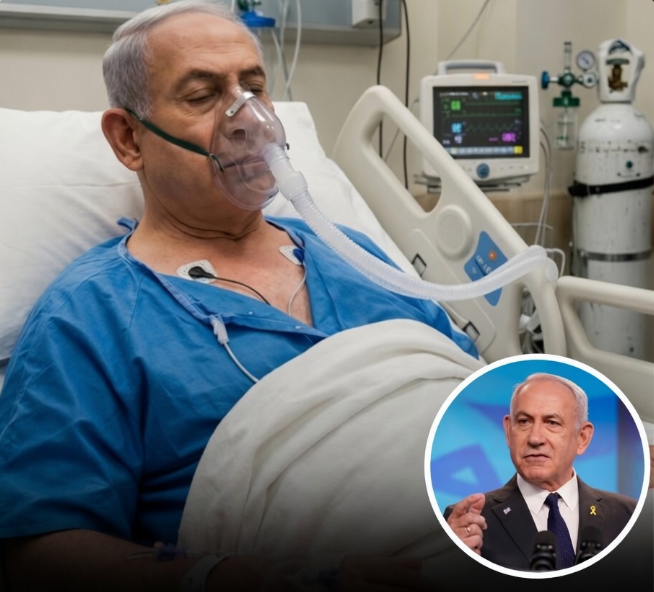
Benjamin Netanyahu has revealed that he was diagnosed with early-stage prostate cancer following a routine medical examination. According to the text, doctors discovered a small malignant tumor during a standard health checkup, allowing the condition to be identified at an early and potentially more treatable stage. The announcement brings public attention to the health of the longtime Israeli leader, who is 76 years old and remains one of the most prominent political figures in the country.
The statement indicates that treatment is ongoing, though no detailed medical timeline or specific procedures were provided in the text. Early-stage prostate cancer generally means the disease has been detected before spreading extensively beyond the prostate gland, which often improves treatment outcomes. Common responses can include surgery, radiation therapy, hormone treatment, or active monitoring, depending on the size of the tumor, rate of growth, and the patient’s overall health. Because the tumor was reportedly found during a routine screening, it suggests the condition may have been caught before symptoms became severe.
The disclosure is significant because the health of a sitting prime minister can carry political and national implications, especially during periods of domestic or regional tension. Netanyahu has played a central role in Israeli politics for many years, serving multiple terms as prime minister and overseeing major security, diplomatic, and economic decisions. News regarding his health is therefore likely to draw close attention both inside Israel and internationally.
At age 76, regular medical monitoring is common, and prostate cancer is among the more frequently diagnosed cancers in older men. When detected early, survival rates are generally high, particularly with prompt treatment and continued follow-up care. The announcement may also encourage broader awareness of preventive screenings and routine checkups for men in similar age groups.
Overall, the text reports that Netanyahu’s cancer was identified early through routine medical care and that treatment is continuing. While the diagnosis is serious, early detection usually offers a stronger outlook, and the prime minister appears to be addressing the issue while remaining in office.