Trump, Iran, and the Dangerous Escalation Around the Strait of Hormuz
Tensions between the United States and Iran have entered another dangerous phase, with competing claims over the Strait of Hormuz, military deployments, and the future of the wider Middle East conflict.
Reports attributed to Iranian officials say Tehran remains determined to maintain control over the waterway and will not accept what it considers an American attempt to impose its authority. Iranian military commanders have also warned that U.S. naval forces operating in the region should not underestimate Iran’s ability to respond.
At the same time, questions are growing inside the United States about the pressure being placed on American service members. Reports concerning prolonged deployments, exhaustion, morale, and the welfare of sailors have intensified public debate over whether military personnel are being asked to carry an unacceptable burden.
Families of service members have reportedly joined anti-war demonstrations, demanding that their relatives be brought home rather than kept indefinitely in a widening confrontation with Iran.
The diplomatic picture is equally troubling. The United Nations and major European governments face increasing pressure to respond to the escalating confrontation, while disagreements among powerful nations continue to limit meaningful international action.
President Donald Trump, meanwhile, has continued to defend U.S. military operations against Iran and has rejected calls for an apology. His position suggests that Washington has no immediate intention of backing away from its strategy.
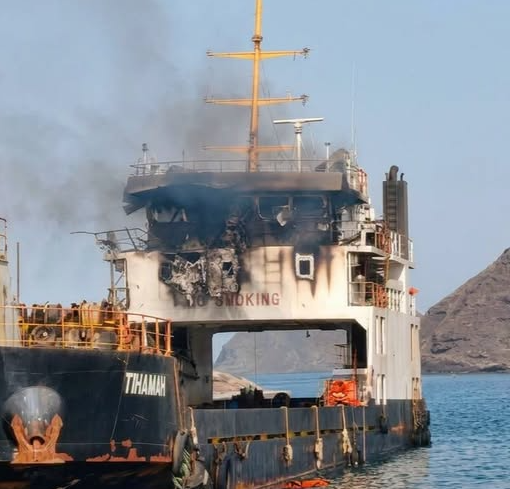
The consequences are already extending beyond the battlefield. Uncertainty surrounding the Strait of Hormuz has raised concerns about global energy supplies, shipping routes, and oil prices. Any prolonged disruption could affect economies far beyond the Middle East.
The central question now is whether the confrontation will lead to negotiations or become an even larger regional war.
For Iran, retreat is unlikely to come easily. For Washington, backing down could carry significant political costs. And for ordinary Americans, Iranians, and military families caught between these competing powers, the consequences could be devastating.
The world is now watching to see whether diplomacy can prevent another major escalation—or whether the struggle over the Persian Gulf will become the beginning of an even wider crisis.