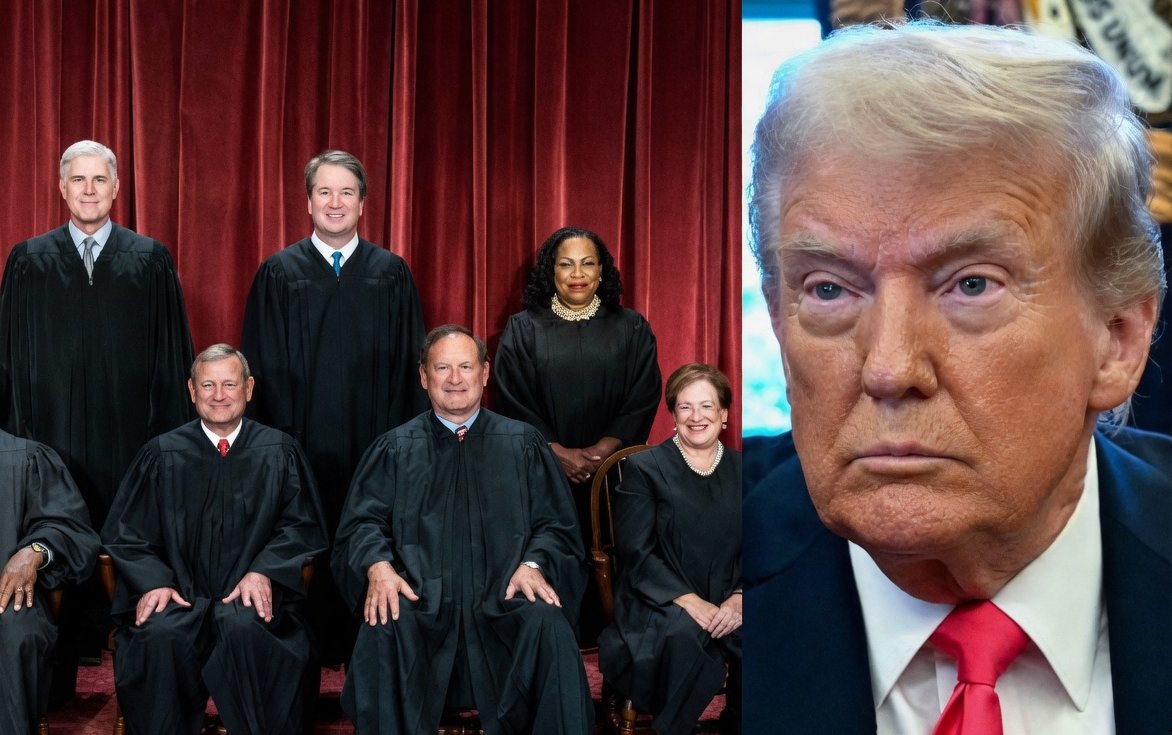
Separate legal developments involving the Supreme Court of the United States and the United States Court of Appeals for the Fifth Circuit.
The first and primary issue concerns an 8-0 Supreme Court ruling in favor of Chevron. The Court held that Chevron has the right to move long-running environmental lawsuits from Louisiana state court to federal court. Justice Clarence Thomas wrote the majority opinion, explaining that Chevron met the legal standard because the challenged conduct was meaningfully connected to work it performed for the federal government during World War II. This included crude oil production and refining tied to the wartime effort.
The ruling overturns a previous decision by the Fifth Circuit, which had agreed that the lawsuits should remain in Louisiana state court. The dispute will now return to lower courts for additional review. As a result, a previous $744 million jury verdict against Chevron is now uncertain.
The lawsuits were brought by Plaquemines Parish, Louisiana, USA and Cameron Parish, Louisiana, USA. Local governments there claim that decades of oil and gas drilling contributed to coastal erosion and environmental damage. Since 2013, dozens of similar lawsuits have reportedly been filed across Louisiana seeking billions of dollars in damages from energy companies. Plaintiffs argue that companies failed to comply with state laws requiring cleanup, detoxification, and restoration of drilling sites.
Chevron, supported by the Trump administration, argued that some Louisiana oil production was tied to its wartime refining of aviation fuel for the U.S. military, making federal court the appropriate venue. The Supreme Court agreed and stated that lawsuits may be transferred when claims have a “meaningful connection” to federal work rather than only a weak or remote relationship. This may make it easier for other companies to move similar environmental and climate lawsuits into federal court.
The second issue mentioned is a Fifth Circuit ruling upholding a Texas law requiring public school classrooms to display the Ten Commandments. The law, known as Senate Bill 10, states that all public schools must post the displays. Opponents plan to appeal the decision, potentially sending the case to the Supreme Court. The case is identified as Rav Nathan v. Alamo Heights Independent School District.
Overall, the text highlights major rulings on environmental litigation venue and religion in public education, both of which may have national significance.