Russia is facing growing pressure on multiple fronts as fuel shortages, Ukrainian attacks on energy infrastructure, damage to naval assets, and global oil market disruptions increasingly intersect. On August 19, the Russian app Gdebenz reportedly showed that only 28% of the country’s gas stations had fuel available for sale, down from 41% just one week earlier. The shortage has raised concerns about domestic fuel distribution, even as Russia remains one of the world’s largest oil producers.
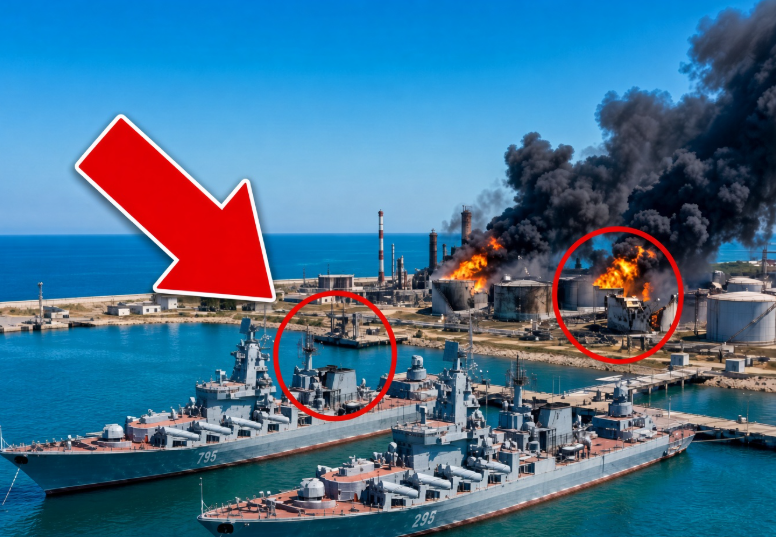
The crisis is linked in part to Ukrainian strikes against Russian refineries and energy facilities. Eight days before the reported fuel figures, Ukraine attacked Novorossiysk, a key Black Sea naval refuge. Satellite imagery from Vantor, analyzed by Naval News, reportedly showed damage to the Admiral Makarov and Admiral Essen, two Russian frigates capable of launching Kalibr cruise missiles. However, no ships were confirmed sunk, and the extent of the damage remains subject to verification.
The analysis connects these naval losses with the broader campaign against Russia’s refining infrastructure, examining how disrupted processing capacity can contribute to regional gasoline shortages despite substantial crude oil production.
Meanwhile, Ukraine faces its own defensive challenges. A shortage of Patriot interceptors could complicate Kyiv’s efforts to defend against Russian missile attacks, highlighting the competition for limited military resources.
Global energy markets add another dimension. Partial disruptions around the Strait of Hormuz can influence international oil prices, potentially increasing the value of Russian crude exports even as domestic fuel supplies face pressure.
Ultimately, the video examines four interconnected fronts: Russia’s gasoline shortage, its vulnerable Black Sea Fleet, Ukraine’s air-defense constraints, and shifting global oil prices. Together, these developments illustrate how energy infrastructure, military capabilities, and international markets are linked in the ongoing Russia-Ukraine war.