Growing Dissent and Political Pressure Inside Russia
Despite official declarations of electoral victory, Russia faces questions about public confidence, economic performance, military recruitment, and the cohesion of its political establishment. This strategic analysis examines reports of criticism from figures traditionally associated with the Kremlin’s broader support base, alongside growing frustration among military families and anti-government activists.
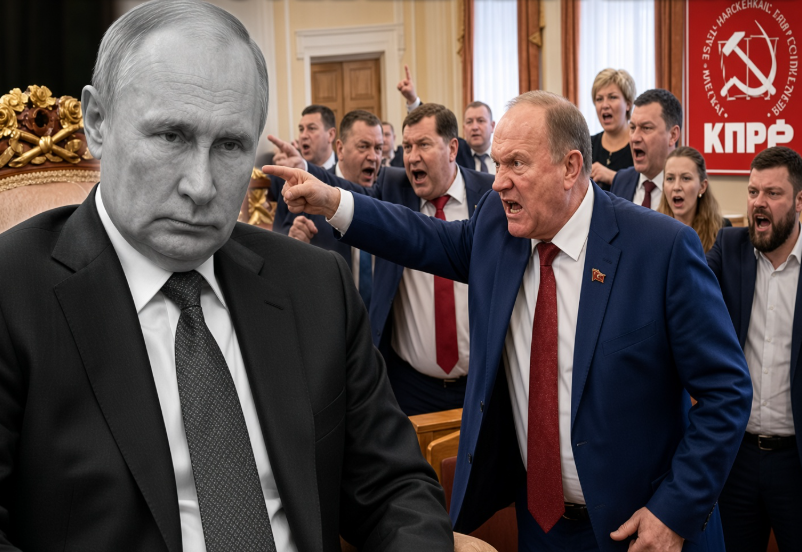
One focus is Communist Party leader Gennady Zyuganov, who reportedly challenged official claims about economic growth, and nationalist figure Dmitry Demushkin, who has warned of potential internal instability. Such criticism highlights disagreements within Russia’s political landscape, although it does not independently establish that the government is approaching collapse.
The documentary also examines allegations of electoral irregularities, including pre-marked ballots, possible manipulation involving the Gosuslugi digital services platform, and voting overseen by armed personnel in occupied Ukrainian territories. These claims raise concerns about electoral transparency and the conditions under which voting takes place. Specific allegations require independent investigation and corroboration.
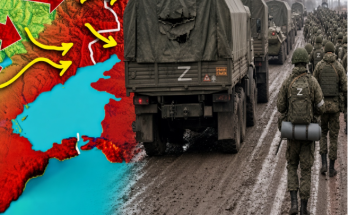
Another major issue is the possibility of expanded military recruitment. The analysis discusses a potential digital mobilization involving approximately 300,000 personnel, as well as reported pressure on civilians to enter military service. Concerns among soldiers’ mothers and other military families reflect the domestic consequences of casualties, prolonged deployments, and uncertainty over future recruitment.
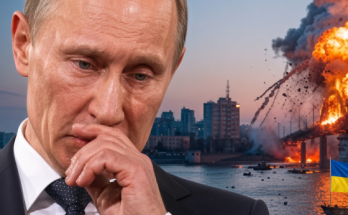
Ukraine’s long-range strikes against Russian energy infrastructure form another part of the investigation. Reported attacks affecting the Moscow Oil Refinery and other fuel facilities illustrate the vulnerability of strategically important infrastructure and the potential impact on domestic energy supplies. The extent and duration of any resulting disruption remain important questions.
The report also considers alleged elite departures from Russia and diplomatic discussions involving Donald Trump and Volodymyr Zelenskyy. Proposed ceasefire arrangements, including possible restrictions on attacks against energy infrastructure, could influence the course of the conflict, depending on their terms and implementation.
Overall, the analysis explores how political dissent, recruitment pressures, infrastructure damage, and diplomatic uncertainty may challenge the Kremlin. These developments indicate areas of potential strain, but claims of imminent regime collapse require stronger evidence.