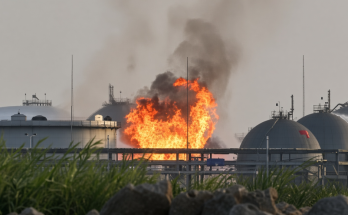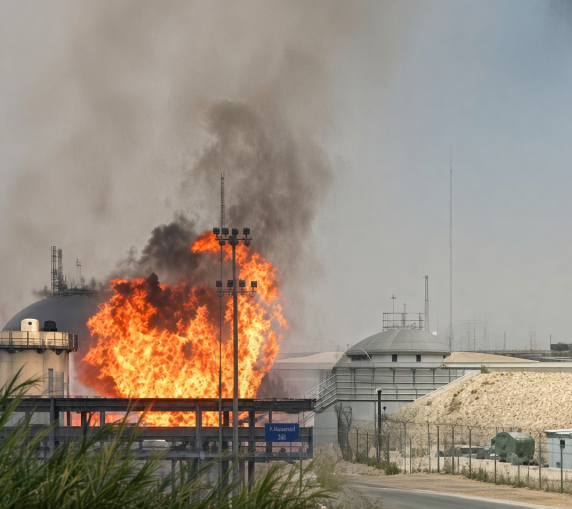
Saudi Arabia has faced a new wave of missile and drone attacks, with projectiles reportedly targeting major airports in Riyadh and the southern city of Abha. Saudi authorities said the attacks killed three people and injured 36 others, raising fresh concerns about the security of the kingdom’s civilian infrastructure amid escalating regional tensions.
King Khalid International Airport in Riyadh was among the reported targets. Saudi air-defense forces said they intercepted a ballistic missile aimed at the capital, while additional drones were reportedly detected and engaged. Authorities also reported attacks affecting Abha International Airport, a key aviation hub in southwestern Saudi Arabia.
Yemen’s Houthi movement claimed responsibility for several of the strikes, describing them as part of its continuing military campaign against Saudi targets. The Houthis have previously used ballistic missiles and drones against Saudi Arabia, particularly during periods of heightened regional conflict.
Saudi officials said their air defenses were able to intercept at least some of the incoming threats, but the reported casualties and disruption demonstrate the continuing risks posed by long-range attacks. Airports and other civilian facilities remain particularly sensitive targets because strikes can affect both public safety and commercial transportation.
The latest attacks come amid wider instability across the Middle East, with conflicts and military confrontations creating risks that extend beyond active battlefields. Saudi Arabia’s geographic position and its role as a major energy and transportation hub make security concerns particularly significant.
The incidents also highlight the continued importance of missile-defense systems in protecting major population centers and critical infrastructure. While Saudi authorities have not indicated that the attacks caused widespread damage to airport operations, the casualties underline the potential consequences of continued missile and drone warfare in the region.