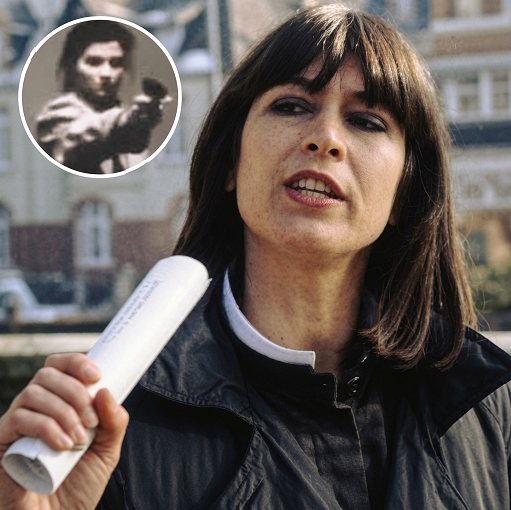
A courtroom was thrown into chaos when a grieving mother, overwhelmed by emotion during proceedings related to the loss of her child, attempted to rush toward the defendant. According to the account, the incident occurred after days of testimony during which she had remained composed while listening to detailed discussions about her child’s death. The emotional strain reportedly reached a breaking point when she perceived the defendant’s behavior as insensitive, triggering a sudden reaction.
Witnesses described her rising from her seat and moving quickly toward the accused before security personnel could fully react. Although she was unarmed, her distress and determination were evident as she cried out and attempted to confront the defendant. Deputies intervened almost immediately, stopping her before she could reach him and escorting her away as she struggled against restraint.
The disruption shocked everyone in the courtroom. Jurors, court staff, attorneys, and spectators watched as the proceedings briefly descended into confusion. The defendant, who had been seated during the incident, reportedly appeared shaken by the confrontation, while the judge worked to restore order.
Beyond the dramatic moment itself, the incident highlighted the profound emotional toll that criminal trials can have on victims’ families. For parents and loved ones, courtroom proceedings often require reliving painful events while facing the person accused or convicted of causing immense loss. The mother’s reaction was portrayed as an expression of overwhelming grief rather than a calculated act, reflecting the depth of pain that can persist even as the legal process moves forward.
The episode also underscored a difficult reality: while courts can determine guilt, impose sentences, and provide legal accountability, they cannot erase the emotional devastation experienced by those left behind. Her outburst became a powerful reminder that some wounds extend far beyond what any verdict can heal, illustrating the intense human emotions that often accompany the pursuit of justice after tragedy.