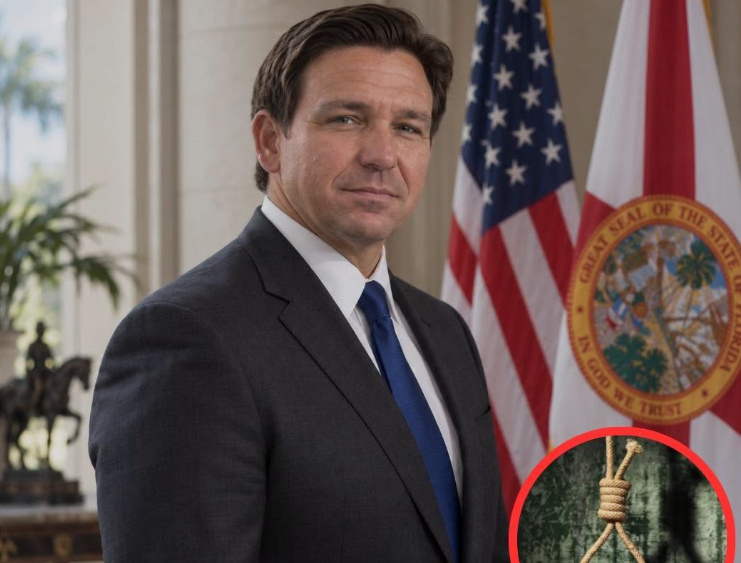
Florida has passed a law allowing prosecutors to seek the death penalty against adults convicted of raping children under the age of 12.
Do you support it?
There should be no minimizing the crime: sexually abusing a child is an act of devastating violence that can leave lifelong physical and psychological injuries. Anyone convicted through a fair and reliable process must be removed from society and prevented from harming another child.
But supporting severe punishment does not automatically require supporting execution. The United States has convicted innocent people, relied on flawed forensic evidence, and overturned death sentences after misconduct or new evidence emerged. An execution cannot be corrected. Life imprisonment without parole can permanently protect the public while preserving the possibility of reversing a wrongful conviction.
Florida’s law also faces a major constitutional obstacle. In 2008, the U.S. Supreme Court ruled that the death penalty cannot be imposed for raping a child when the victim survives. Florida legislators knowingly challenged that precedent, hoping the current Court will overturn it.
Protecting children must always be the priority. The real debate is whether capital punishment protects them better than permanent imprisonment—and whether any government should possess an irreversible power that has repeatedly produced fatal mistakes.