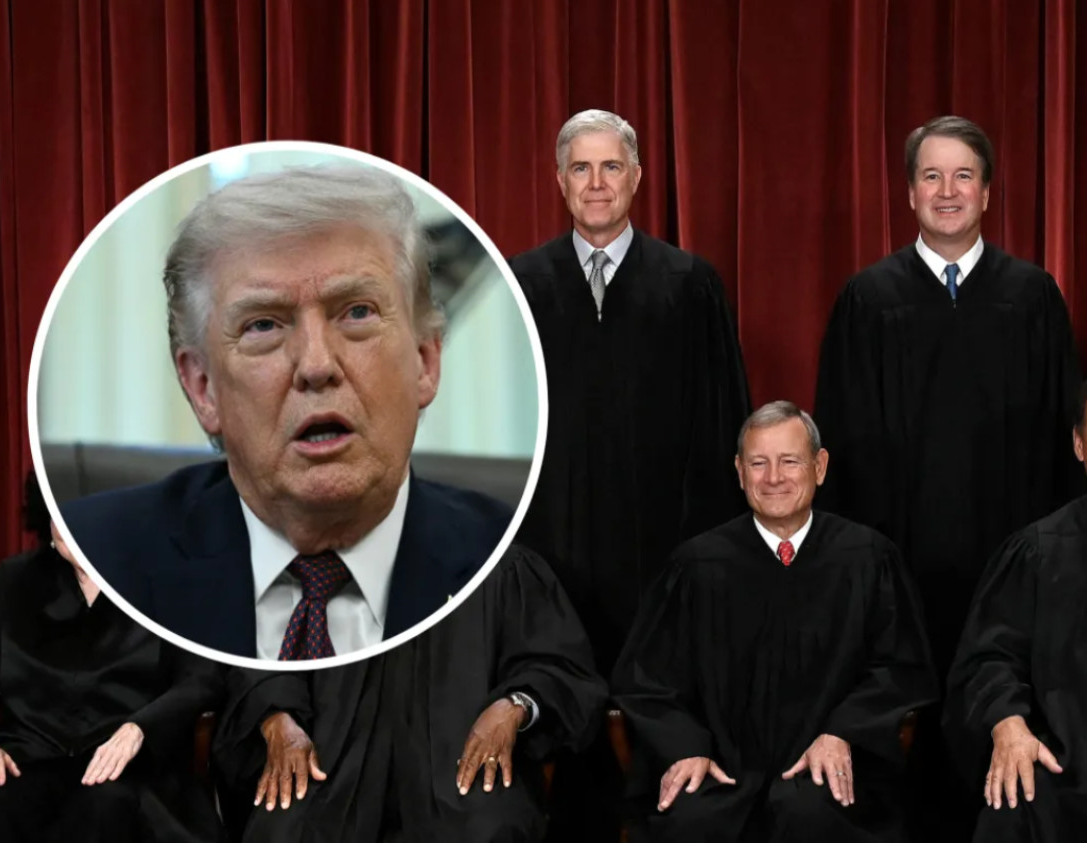
The Supreme Court recently issued a unanimous ruling in a case involving GEO Group, a private prison contractor that operates immigration detention facilities for U.S. Immigration and Customs Enforcement (ICE). The decision allows a long-running lawsuit brought by immigration detainees to proceed, rejecting GEO’s argument that it should be shielded from liability under sovereign immunity as a government contractor.
The case stems from allegations dating back to 2014 at an ICE detention facility in Aurora, Colorado, where detainees claimed they were required to perform cleaning and other labor for as little as one dollar per day. Plaintiffs argue that these practices violated federal forced labor laws and Colorado state law regarding unjust enrichment.
GEO Group attempted to have the case dismissed, arguing that because it was carrying out ICE detention responsibilities under a federal contract, it should be treated as an extension of the government and therefore protected from certain lawsuits. However, the Court disagreed. Writing for the Court, Justice Elena Kagan explained that the ICE contract did not specifically require GEO to impose the labor policies in question, meaning the company could not claim immunity on that basis.
Although all nine justices agreed with the outcome, there were differences in reasoning among some members of the Court. The ruling allows detainees to continue pursuing their claims in lower courts, where GEO could still face liability if the allegations are proven.
Legal advocates for the detainees welcomed the decision, saying it reinforces the principle that private contractors must comply with the law even when working on behalf of the government. The ruling may also open the door to additional lawsuits against private detention operators accused of similar labor practices.
GEO Group, one of the largest private prison operators in the United States, manages tens of thousands of detention beds across dozens of facilities under federal and state contracts. The company has faced prior legal challenges, including settlements in similar cases involving detainee labor.
Beyond this case, broader scrutiny continues over immigration detention practices and government oversight. Other related legal disputes have involved detainee rights, transfer procedures, and compliance with court orders, reflecting ongoing tension between enforcement policies and constitutional protections.
Overall, the ruling is seen as significant because it clarifies that private contractors cannot automatically rely on government immunity and must answer to the courts for alleged misconduct.