Germany is accusing Russia of escalating its hybrid warfare campaign following an explosive-drone incident at Leipzig/Halle Airport, which German authorities reportedly view as more than an isolated criminal act. Berlin has linked the incident to Russian intelligence, raising concerns that European infrastructure could increasingly become a target of state-backed sabotage and covert operations. The case has intensified debate over how NATO and EU countries should respond to threats below the threshold of conventional warfare.
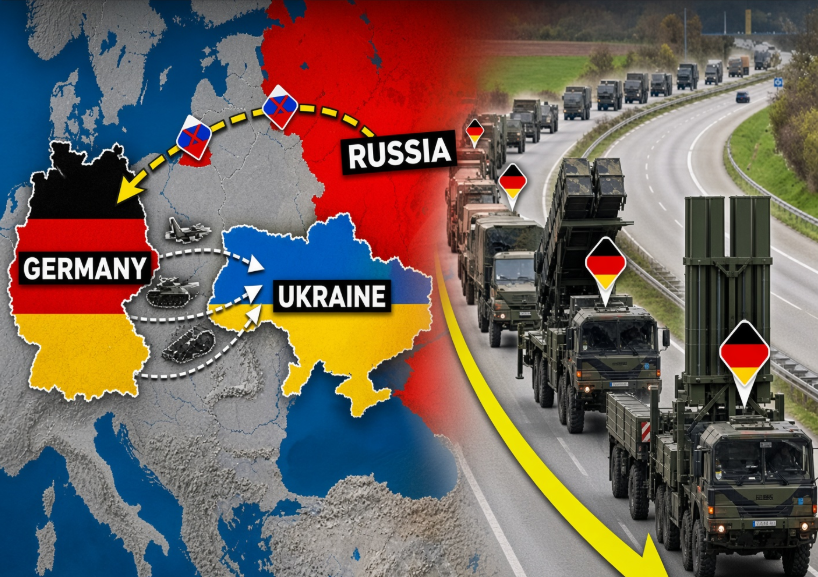
Germany is also pursuing a broader security shift. A major element is increased military support for Ukraine, including a program involving more than 5,000 AI-guided strike drones and roughly €1 billion in additional assistance. Berlin argues that advanced, lower-cost unmanned systems can strengthen Ukraine’s battlefield capabilities while supporting Europe’s own defense-industrial capacity.
At the intelligence level, Germany is seeking expanded powers for the Federal Intelligence Service (BND), including stronger offensive cyber capabilities and greater authority to detect and disrupt foreign operations. Supporters describe these measures as necessary to counter increasingly sophisticated cyber and hybrid threats, while the expansion of intelligence powers also raises questions about oversight and legal safeguards.
Meanwhile, Germany is pushing for tighter restrictions on Russian access to Europe, including stronger visa controls aimed at closing perceived loopholes within the Schengen system. Together, these measures reflect a broader German effort to combine military assistance, intelligence reform, cybersecurity, and immigration controls in response to what Berlin describes as a growing Russian hybrid threat.