Ukraine’s Lyman Counteroffensive: Russian Positions Under Pressure
Ukraine has reportedly launched a significant counteroffensive near Lyman in eastern Ukraine, reclaiming several settlements and pushing Russian forces toward the Zherebets River. If confirmed, these developments could represent an important battlefield shift in 2026, potentially disrupting Russia’s operations along a strategically sensitive section of the Donetsk frontline.
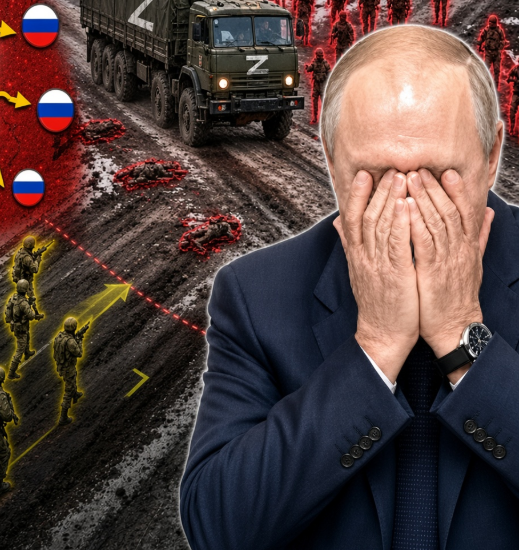
According to reports, Ukrainian forces combined drone warfare, attacks on supply routes, surveillance, and coordinated ground assaults to weaken Russian positions before advancing. These operations reportedly targeted the logistical connections sustaining Russian troops, making it more difficult to reinforce defensive positions and maintain supplies during prolonged fighting.
Ukraine’s 3rd Army Corps has been associated with operations in this sector, where control of settlements, river crossings, and supply routes can influence the broader frontline. Reports suggest Russian forces abandoned positions that had been developed over months, although the precise extent of Ukrainian territorial gains and the scale of Russian withdrawals require independent verification.
The fighting around Lyman matters because of its wider geographic significance. The area lies near approaches toward Sloviansk and Kramatorsk, two important Ukrainian cities in the Donetsk region. Changes in control around Lyman could affect future operations, complicate Russian offensive planning, and influence the positioning of forces across neighboring sectors.
The reported counteroffensive also illustrates the growing importance of integrated battlefield tactics. Drones can identify troop concentrations, monitor movements, and help target logistics, while ground forces exploit weaknesses in defensive lines. When combined effectively, these capabilities can place pressure on positions that might otherwise be difficult to dislodge through direct assaults alone.
However, reported advances do not necessarily indicate a complete collapse of Russian defenses or guarantee further Ukrainian gains. Battlefield conditions can change quickly, and both sides may reinforce contested areas or launch counterattacks.
Ultimately, the significance of the Lyman operation will depend on independently confirmed territorial changes, the durability of Ukrainian positions, and whether Russian forces can restore their defensive line. The fighting could have broader implications for the approaches toward Sloviansk and Kramatorsk and the evolving balance along the eastern front.