Ukraine’s Operation MoLoChKa: The Growing Pressure on Russia’s Shadow Fleet
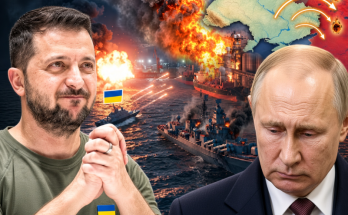
Ukraine’s reported naval campaign, known as “Operation MoLoChKa,” highlights the growing role of unmanned systems in challenging Russia’s maritime logistics across the Black Sea and Sea of Azov. According to the supplied report, Ukrainian forces have disabled approximately 300 vessels in just 11 weeks, targeting ships connected to Russia’s shadow fleet and wider maritime supply network. This figure has not been independently verified here.
The campaign reportedly involves Ukraine’s Unmanned Systems Forces and the use of aerial and maritime drones, including Magura unmanned surface vessels. Rather than necessarily sinking targeted ships, the reported strategy focuses on disabling critical components, such as steering mechanisms and control areas, potentially leaving vessels unable to operate normally. Limiting the risk of sinking could reduce certain environmental hazards, although the actual consequences depend on the vessel, its cargo, and the damage sustained.
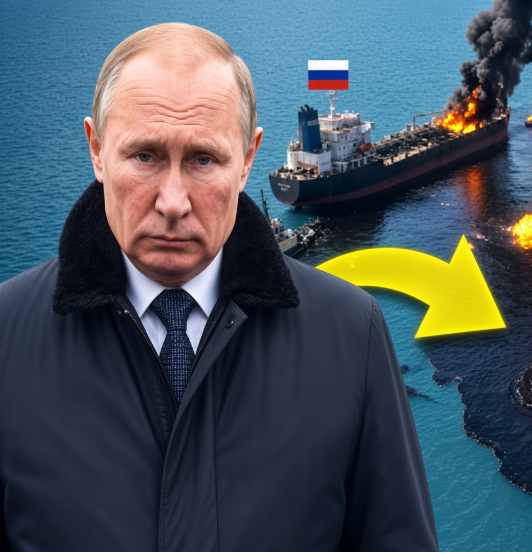
Russia’s shadow fleet plays an important role in transporting oil and other petroleum products through international maritime routes, helping Moscow maintain energy exports despite Western sanctions and restrictions. Disruptions to vessels, ports, and shipping operations could increase insurance costs, delay deliveries, and complicate Russia’s efforts to move energy supplies.
Strategic locations such as Novorossiysk are particularly important because they support Russia’s Black Sea maritime trade and energy infrastructure. Pressure on these routes could force Russian authorities to strengthen port security, redirect shipping, and devote additional resources to protecting maritime operations.
The report also links the campaign to fuel shortages in occupied Crimea and growing difficulties for Russian maritime supply lines. However, the extent to which Ukrainian operations have directly caused these shortages or substantially reduced Russian exports requires independent evidence.
Ultimately, the reported campaign illustrates how relatively inexpensive unmanned systems can challenge larger naval and commercial networks. Its long-term impact will depend on verified vessel losses, Russia’s ability to repair and replace damaged ships, and the effectiveness of countermeasures protecting critical ports and shipping routes.