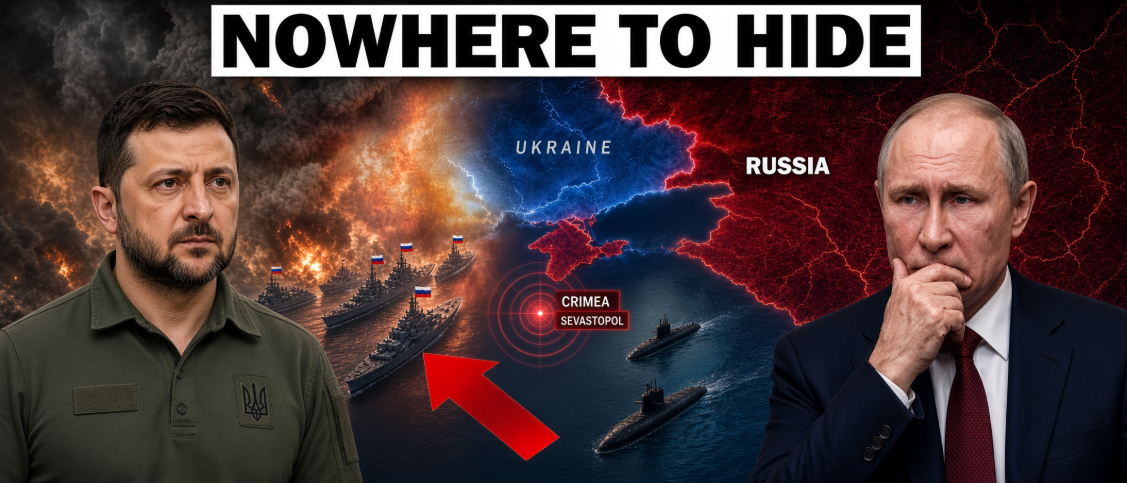
Ukraine’s use of sea drones and anti-ship missiles has significantly challenged Russia’s Black Sea Fleet, demonstrating how a country with a limited conventional navy can threaten a much larger maritime force through asymmetric warfare. Ukrainian attacks have damaged or destroyed Russian vessels and pressured the fleet to move some operations away from its traditional base in Sevastopol toward Novorossiysk.
The shift has complicated Russia’s ability to operate freely in the Black Sea. Low-cost uncrewed surface vessels, combined with Neptune anti-ship missiles and other strike capabilities, have forced Russian commanders to devote greater resources to protecting ports, ships, and maritime supply routes. However, claims that the entire fleet is trapped or that Russian naval power in the region has ended overstate what can be established without a fuller assessment of current deployments and operational capabilities.
Turkey’s implementation of the Montreux Convention has added another constraint. Since Russia’s full-scale invasion of Ukraine, Turkey has restricted the passage of warships through the Turkish Straits under the convention’s wartime provisions, limiting opportunities for certain naval reinforcements and rotations. The effects depend on the vessel’s status and the convention’s specific rules; the straits are not simply closed to every Russian warship under all circumstances.
The report also raises concerns about Russia’s maritime logistics and its ability to sustain operations beyond the Black Sea, including routes historically associated with the “Syrian Express.” The present condition of those supply networks and the extent of any disruption require independent verification.
Overall, Ukraine’s maritime campaign illustrates how drones, missiles, and persistent threats can constrain a stronger navy without matching it ship for ship. Russia retains naval capabilities, but protecting its fleet and maintaining freedom of movement have become more challenging.