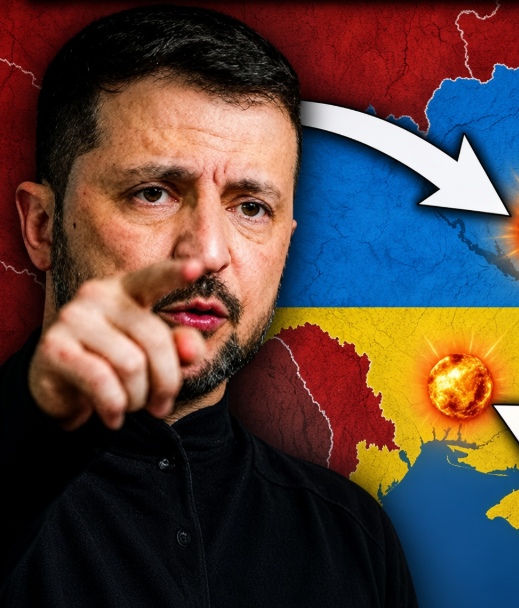
Ukraine’s campaign against Russian military assets in occupied Crimea is increasingly focused on weakening the peninsula’s air defenses, disrupting logistics, and making continued Russian control more costly. The report describes this effort as a phased strategy designed to isolate Crimea and create conditions for a potential future operation, although claims that a definitive “Phase 3” has begun or that retaking the peninsula is imminent require independent confirmation.
A central element is Ukraine’s DELTA battlefield-management system, which integrates operational information to help commanders build situational awareness and coordinate decisions. The account claims the system can process information on more than 6,600 targets in milliseconds. That figure needs clarification, including whether it refers to tracked objects, database records, or targets actively assessed for strikes. AI-assisted targeting can accelerate decision-making, but it does not independently establish the accuracy or effectiveness of an operation.
The report also highlights Ukrainian attacks on Russian S-400 and Pantsir air-defense systems, which protect military installations and important infrastructure. If confirmed, sustained losses could create vulnerabilities and complicate Russia’s ability to defend its forces across Crimea.
At sea, Ukrainian uncrewed surface vessels and other strike capabilities have challenged Russian naval operations and threatened supply routes. The account’s claim that a 196-ship shadow fleet has been neutralized is not independently substantiated and may conflate commercial vessels with military assets.
The Kerch Bridge remains strategically important because it connects occupied Crimea with mainland Russia. Threats to the bridge and other transport links can increase the cost and difficulty of sustaining Russian forces, but claims that its defense will determine the outcome of the entire war are speculative.
Overall, Ukraine’s reported strategy combines intelligence, precision strikes, and maritime pressure. Its ultimate impact will depend on verified battlefield results, Russia’s ability to adapt, and the resilience of alternative supply routes.