Finland’s expanding border defenses and closer integration with NATO are reshaping security planning along the alliance’s northern frontier. The report describes a fortified barrier stretching approximately 200 kilometers, intended to improve surveillance and help Finnish authorities respond to irregular crossings and potential hybrid operations. The exact length and effectiveness of the barrier should be assessed against official Finnish information, and physical fencing alone cannot eliminate every form of hybrid pressure.
Finland joined NATO in 2023, adding a long border with Russia to the alliance’s collective defense planning. Helsinki has raised concerns about the use of migration as a political pressure tactic, while border monitoring, patrols, intelligence sharing, and military readiness form part of its broader response. Claims that Russia has established empty bases intended to support 80,000 troops near the border require independent verification.
The report also highlights Finland’s planned acquisition of F-35 fighter aircraft and growing interest among NATO members in lessons from Ukraine’s extensive use of drones. Integrating uncrewed systems with conventional forces could improve reconnaissance, surveillance, and battlefield awareness, although the scale and timing of any specific Finnish deployment need confirmation.
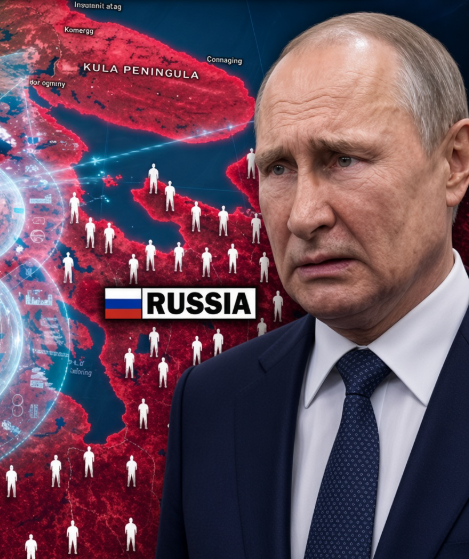
Farther north, the Kola Peninsula remains strategically important to Russia because it hosts major naval facilities and elements of its nuclear-powered submarine force. NATO’s stronger northern presence may increase surveillance and complicate Russian military planning, but claims that the Russian nuclear fleet has been paralyzed or trapped are overstated without evidence.
Overall, Finland’s defense investments strengthen its capacity to monitor the border and contribute to NATO’s northern security. They do not make the frontier impenetrable or remove Russia’s military capabilities; rather, they change the strategic environment by improving preparedness, coordination, and deterrence.