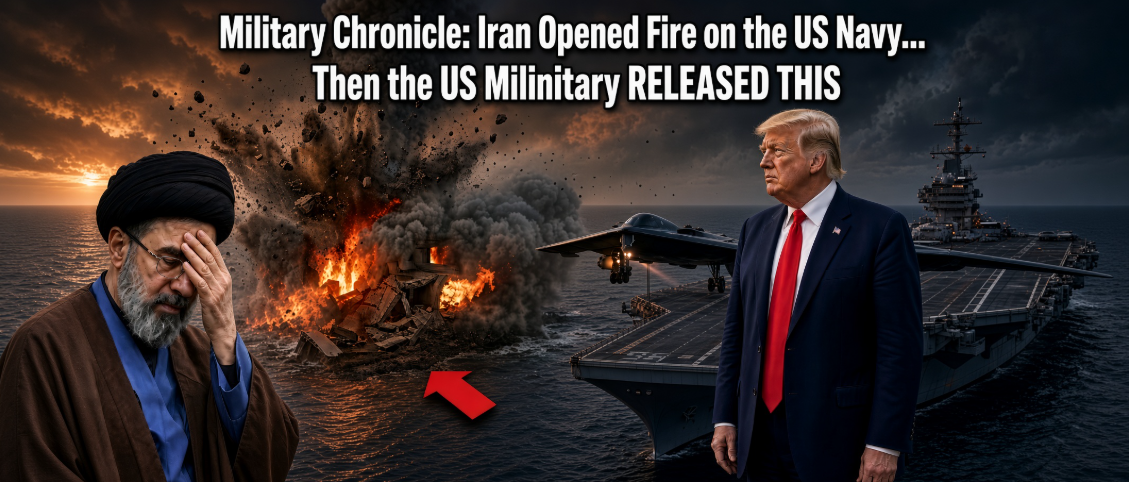
A dramatic military scenario describes an alleged Iranian attack against the USS John Paul Jones in the strategically important Strait of Hormuz. According to the account, Iran launched a coordinated barrage of anti-ship ballistic missiles, cruise missiles, and Shahed drones aimed at overwhelming the American destroyer’s defenses.
The video focuses on how the Aegis combat system might respond to multiple incoming threats simultaneously, highlighting the roles of SM-2 and SM-6 interceptors in defending the vessel. It then describes a potential American counterstrike targeting Iranian coastal missile batteries, radar installations, launchers, and a drone-control center. The reported response involves Tomahawk cruise missiles, Super Hornet aircraft, and StormBreaker precision-guided bombs, alongside the arrival of the USS Abraham Lincoln carrier strike group.
The scenario raises broader questions about naval warfare in the Strait of Hormuz, a critical passage for international energy shipments. An attack involving multiple weapon types could test the coordination, ammunition capacity, and reaction time of even sophisticated naval defenses. At the same time, retaliatory strikes could increase the risk of escalation and disrupt commercial shipping throughout the region.
However, the account does not provide independently verified evidence establishing that this specific attack and counterstrike occurred. Its operational details and claimed outcomes should therefore be treated as unconfirmed rather than established events.
The central question is how effectively modern naval defenses can manage coordinated missile and drone attacks while protecting freedom of navigation in a strategically sensitive waterway.