Finland has built its national defense around comprehensive preparedness, combining military readiness, civilian protection, and close cooperation with NATO to deter potential Russian aggression. Its strategy draws on a large trained reserve, modern combat aircraft, extensive civil-defense infrastructure, and the ability to mobilize resources during a national emergency.
The country’s reserve system is often described as capable of mobilizing approximately one million people, although that figure refers to the broader wartime reserve pool rather than one million active-duty soldiers. Finland has also ordered 64 F-35A fighter jets to modernize its air force, strengthening its ability to operate alongside NATO forces.
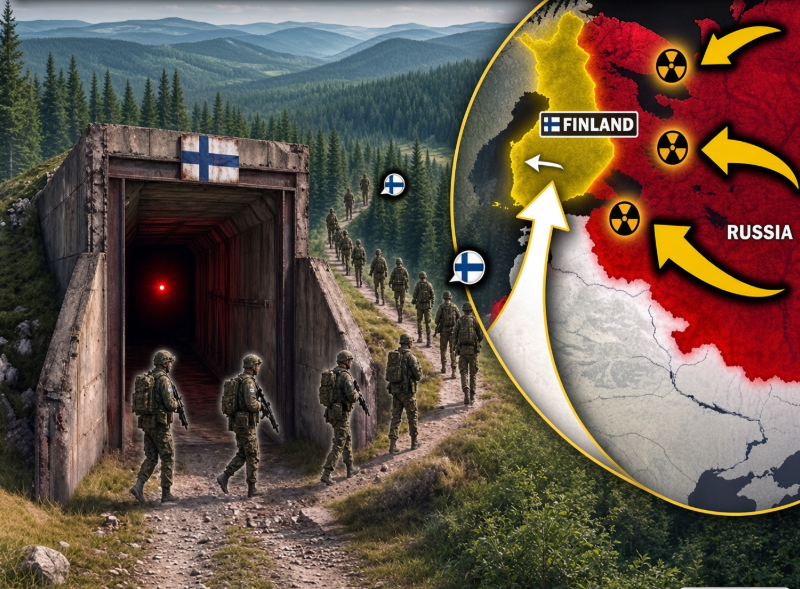
Civilian preparedness is another major element of Finnish defense planning. The country has tens of thousands of civil-defense shelters designed to protect residents during emergencies. However, these facilities are not automatically military installations, and claims that they can all be converted into operational military assets within 72 hours require further evidence.
The video also examines the strategic importance of Russia’s Kola Peninsula near Murmansk, home to major naval facilities and elements of Russia’s nuclear-powered submarine fleet. Finland’s NATO membership increases the alliance’s presence along Russia’s northern frontier, potentially improving surveillance and complicating military planning. Nevertheless, claims that Finland has a specific doctrine capable of permanently trapping Russia’s nuclear fleet or rendering an 80,000-strong border force ineffective remain unverified.
Finland’s defense model emphasizes deterrence, resilience, and coordinated national mobilization. These measures can raise the costs of aggression, but they do not make an invasion mathematically impossible or eliminate the risks of a wider conflict.