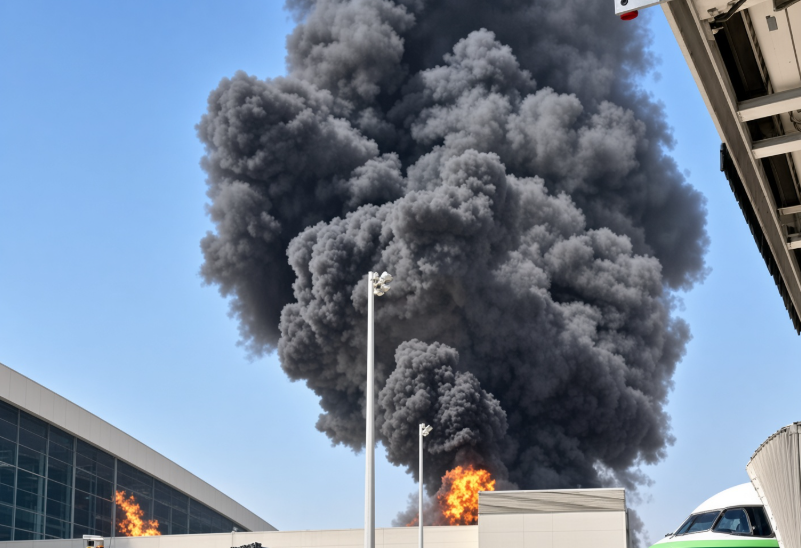
Saudi Arabia’s Saudi-led coalition reportedly announced on Wednesday, October 14, 2026, that it had intercepted and destroyed a Houthi ballistic missile aimed at Riyadh. The reported interception comes amid heightened concerns over aerial threats to the Saudi capital and the kingdom’s critical infrastructure.
The incident highlights continuing security tensions involving Yemen’s Houthi movement, which is aligned with Iran and has previously launched missiles and drones toward Saudi territory. Such attacks can threaten population centers, energy facilities, transportation networks, and other strategically important sites, while placing additional pressure on regional air-defense systems.
For Saudi Arabia, intercepting incoming missiles is central to protecting civilians and maintaining confidence in the security of its economic infrastructure. However, repeated aerial attacks can still create disruption, raise defense costs, and increase the risk of further escalation, even when missiles are successfully intercepted.
The broader implications depend on the scale and frequency of the reported attacks, the effectiveness of defensive measures, and whether diplomatic or military developments alter the conflict’s trajectory.
The specific October 14 interception and the claim of sustained, multi-day bombardments should be independently verified against official statements and reliable reporting before being treated as confirmed. If accurate, the incident would underscore the continuing vulnerability of regional infrastructure to missile threats and the importance of air defense in the wider Middle East security environment.