An escalating and highly tense conflict narrative between the United States and Iran, centered on control of the Strait of Hormuz, a critical global oil shipping route. It portrays the situation as an ongoing war with significant global economic consequences, particularly due to disruptions in oil supply and rising energy prices.
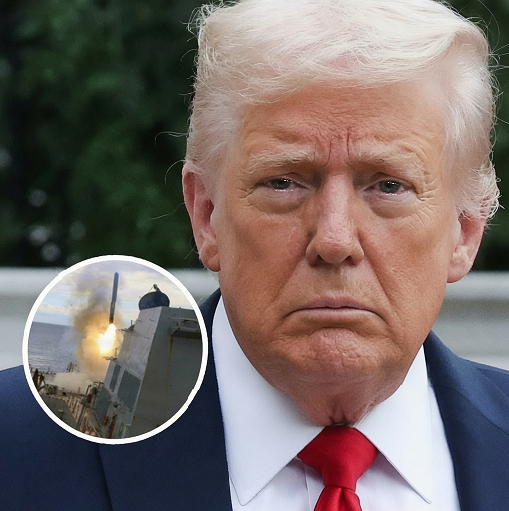
According to the account, President Donald Trump has demanded that Iran reopen the Strait of Hormuz, warning of severe military consequences if it remains closed. The passage claims he issued an ultimatum on Truth Social, threatening strikes on Iranian energy infrastructure, including power plants, if demands are not met. This escalation is presented as part of a broader effort to pressure Iran during active military tensions.
The narrative states that Iran responded with its own warnings through officials such as Mohammad Bagher Ghalibaf, who allegedly threatened retaliation against U.S. interests and allied infrastructure in the Gulf region. These threats reportedly include targeting energy systems, desalination facilities, and financial assets tied to U.S. military funding, significantly raising fears of broader regional escalation.
The passage also highlights the economic dimension of the conflict, emphasizing that closure of the Strait of Hormuz—through which a large portion of global oil trade flows—has led to reduced shipping activity and a surge in global oil prices. This disruption is framed as a major driver of international concern, affecting both energy markets and global stability.
In addition, the account describes conflicting diplomatic signals. It claims that Trump announced “productive conversations” with Iran and suggested a temporary pause in military strikes on energy infrastructure to allow negotiations to continue. However, Iranian officials are said to have denied meaningful progress in talks, accusing the U.S. of misrepresenting the situation for strategic and economic advantage.
Overall, the passage presents a rapidly evolving and unstable geopolitical scenario involving military threats, retaliatory warnings, and high-stakes diplomacy. The Strait of Hormuz remains the central flashpoint due to its global energy importance, and both sides are depicted as engaged in a dangerous cycle of escalation and negotiation. The situation is portrayed as uncertain, with the potential for either de-escalation through diplomacy or further conflict depending on the outcome of ongoing communications.