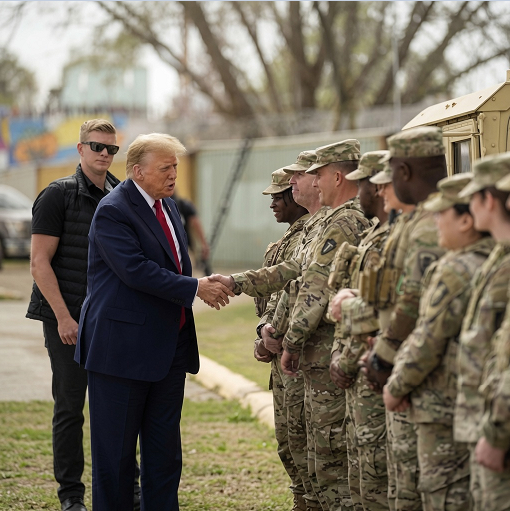
The deployment of 200 U.S. Marines to assist immigration operations in Florida has intensified debate over immigration enforcement and the role of the military in domestic affairs. According to officials, the Marines are assigned to administrative, transportation, and logistical duties within ICE detention facilities and are prohibited from carrying out arrests or direct law-enforcement activities. Similar support deployments are reportedly planned for facilities in Louisiana and Texas.
Supporters argue that the move is a practical response to an overburdened immigration system. By handling paperwork, transportation, and facility operations, the Marines can free ICE personnel to focus on enforcement responsibilities and reduce processing delays. Advocates view the deployment as an efficient use of federal resources during a period of high demand on immigration agencies.
Critics, however, contend that the presence of military personnel in immigration detention centers sends a powerful and troubling message. Even if Marines are not directly involved in enforcement, images of service members working alongside ICE have fueled concerns about the increasing militarization of immigration policy. Immigrant-rights groups argue that the distinction between logistical support and enforcement may be difficult for affected communities to perceive in practice.
The debate extends beyond the specific duties assigned to the Marines. For many observers, the deployment has become a symbol of broader disagreements over border security, immigration policy, and the appropriate role of the military within the United States. Supporters see it as a necessary measure to manage a strained system, while opponents view it as a step toward normalizing military involvement in domestic immigration operations.
As the deployment expands to additional states, it is likely to remain a flashpoint in the national conversation about immigration, enforcement priorities, and the balance between security measures and civil concerns. The practical impact may be limited to support functions, but the political and symbolic significance is already generating strong reactions across the country.