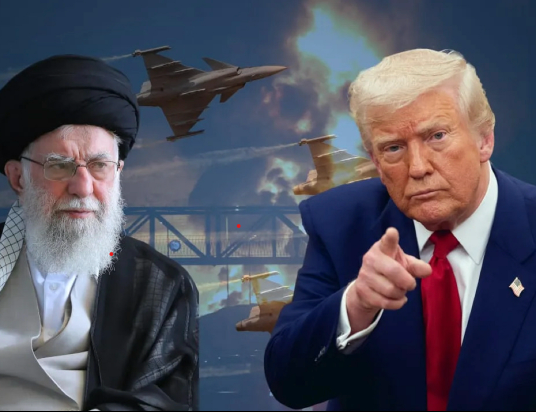
The passage presents a strongly supportive view of Donald Trump and his approach toward Iran, arguing that firm military action was more effective than diplomacy in addressing Iran’s nuclear ambitions, missile programs, and regional activities. It claims that a sustained campaign significantly weakened Iran’s military capabilities and reduced its ability to project power, framing these outcomes as a direct result of decisive leadership.
The text contrasts this approach with what it describes as years of ineffective diplomacy and appeasement, suggesting such strategies emboldened Iran rather than curbing its behavior. It further asserts that critics—particularly political opponents and segments of the media—have reacted negatively to strong actions, portraying their concerns as misplaced or driven by partisan bias.
According to the passage, the pressure applied through military and strategic actions has led to renewed ceasefire discussions, which it interprets as evidence that strength, rather than compromise, produces results. It argues that this approach has enhanced U.S. national security, reassured allies, and contributed to broader global stability by deterring adversarial actions.
The narrative also emphasizes the concept of “peace through strength,” presenting it as a guiding principle behind the policies described. It suggests that projecting power and willingness to act decisively can prevent conflict escalation and compel adversaries to negotiate from a position of weakness.
Overall, the text is opinion-driven and reflects a clear political stance, praising Trump’s leadership style and framing it as both effective and necessary. It highlights perceived successes while dismissing opposing viewpoints, making it less a neutral analysis and more an endorsement of a particular policy perspective on U.S.–Iran relations and national security strategy.