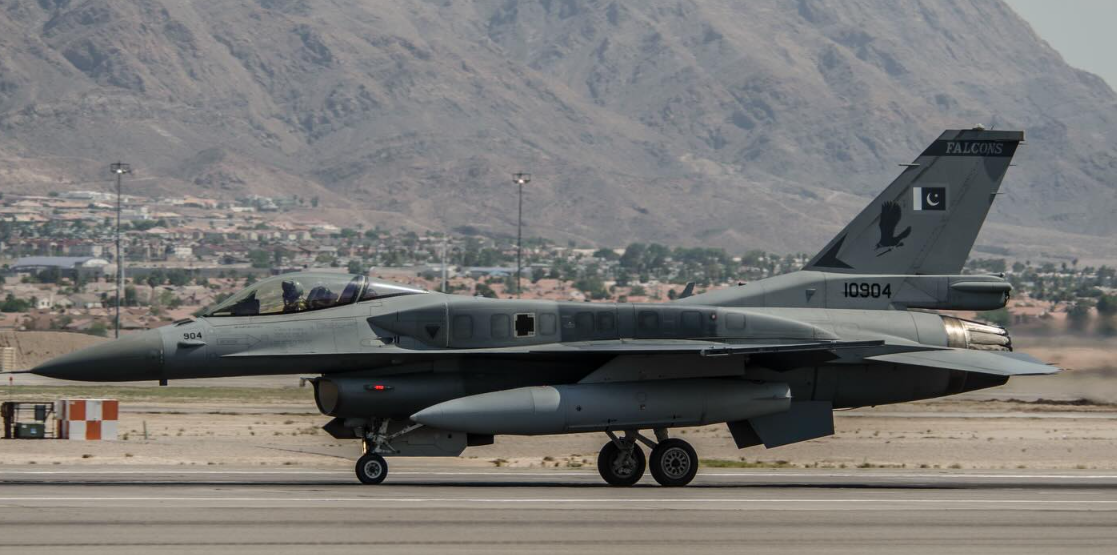
Pakistan has deployed fighter jets and additional military assets to Saudi Arabia as part of a bilateral security arrangement known as the Joint Strategic Defense Agreement, according to an announcement by the Saudi Ministry of Defense on Saturday. The deployment includes a number of strike fighters and support aircraft, which have arrived at King Abdulaziz Air Base, located near the strategically vital Persian Gulf region.
The move is intended to strengthen regional security cooperation between the two long-standing allies, both of whom have maintained close military and political ties for decades. Pakistan has historically contributed personnel, training, and defense support to Saudi Arabia, particularly in times of heightened regional tension. This latest deployment underscores the continued importance of that partnership amid evolving geopolitical dynamics in the Middle East.
The reinforcement comes at a sensitive time, as Islamabad is simultaneously hosting diplomatic talks involving Iran and the United States. These discussions are reportedly aimed at de-escalating tensions and seeking a resolution to what has been described in some reports as an “Iran War,” though no formally declared conflict under that name is widely recognized in official international terms.
By hosting negotiations while also contributing to regional military readiness, Pakistan appears to be positioning itself as both a security partner and a diplomatic intermediary. The dual role highlights Islamabad’s strategic balancing act—supporting its alliance commitments with Saudi Arabia while facilitating dialogue between rival powers.
Overall, the deployment reflects broader concerns about stability in the Persian Gulf, a region critical to global energy supplies and international trade. It also illustrates how regional and external actors are simultaneously pursuing military preparedness and diplomatic engagement in an effort to manage tensions and prevent further escalation.