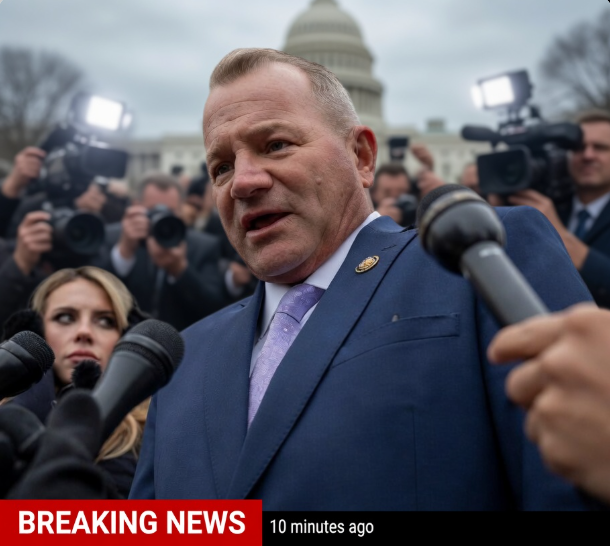
Rep. Troy Nehls drew significant attention and criticism after comparing Donald Trump to a “second coming” during remarks on Capitol Hill. Nehls made the comments while speaking to reporters about Trump’s leadership, defending him amid controversy involving religious language used by political figures and ongoing disputes tied to U.S. foreign policy, including tensions surrounding the Iran conflict and reactions from religious institutions.
Nehls described Trump in highly favorable terms, saying he believed the former president was “better than sliced bread” and “almost a second coming,” while emphasizing that leadership in the United States is exceptionally difficult. He contrasted Trump’s responsibilities with those of the Pope, arguing that both roles are demanding but suggesting that the presidency carries unique challenges.
The comparison sparked controversy due to the theological meaning of “second coming,” a term in Christian doctrine referring to the return of Christ. Critics argued that invoking such language in reference to a political figure was inappropriate and potentially offensive, particularly given ongoing debates about the role of religion in politics.
The comments come amid broader backlash involving Trump’s use of AI-generated religious imagery on social media, including a widely circulated image depicting him in a Christ-like healing pose. The post was criticized by Democratic lawmakers, religious leaders, and some conservative commentators, who described it as inappropriate or blasphemous. Trump later deleted the image, stating it had been misunderstood and that he believed it portrayed him as a doctor.
The controversy has fueled divisions within political and religious communities, with some Republican figures defending Trump while others expressed concern about the messaging and potential backlash. Responses within the GOP have been mixed, with some lawmakers accepting Trump’s explanation and others, including vocal critics within conservative circles, questioning his intent.
Overall, the situation highlights growing sensitivity around the intersection of politics, religion, and digital media, particularly as campaigns and policy debates increasingly involve symbolic or religious imagery that can provoke strong public reactions.