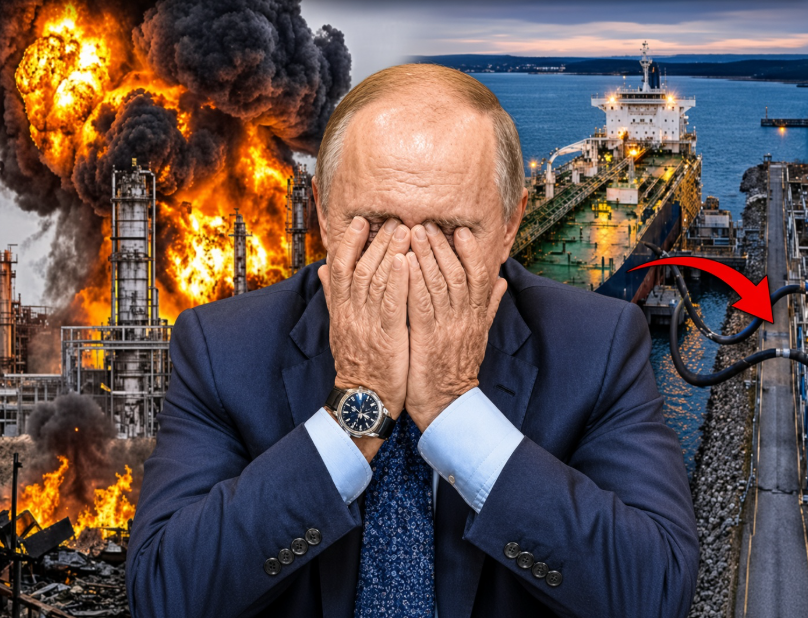
Ukraine’s sustained attacks on Russian oil refineries are putting increasing pressure on one of Moscow’s most important energy systems: aviation fuel. Repeated strikes have disrupted refining operations and reduced domestic production capacity, contributing to wider concerns about fuel availability across Russia. In response, Moscow has introduced a temporary ban on aviation-fuel exports through November 30, in an effort to preserve domestic supplies for military and civilian aviation.
The reported shortage has also pushed Russia toward alternative sources of aviation fuel. Imported Jet A-1 is reportedly arriving at Russian ports, with shadow-fleet tankers playing a role in transporting supplies. The shift highlights the growing difficulty Russia faces in maintaining adequate fuel stocks while its refining infrastructure remains under pressure.
The consequences extend beyond the civilian aviation sector. Russian military aircraft—including Su-34 and Su-35S fighters, Su-57 aircraft, MiG-29s, and Tu-95MS strategic bombers—depend on reliable aviation-fuel supplies for sustained operations. Ukrainian strikes therefore have the potential to create logistical challenges even without directly targeting aircraft themselves. Fuel shortages could also affect Russia’s ability to operate drones and maintain the tempo of frontline missions.
The aviation-fuel problem is part of a broader Russian fuel crisis. Gasoline shortages, refinery disruptions, and repeated attacks have placed additional pressure on the domestic energy market. August reportedly saw a record level of Ukrainian strikes against Russian refining facilities, increasing the strain on Moscow’s wartime economy. Together, these developments demonstrate how Ukraine’s campaign against Russia’s energy infrastructure could create increasingly serious logistical and economic challenges for the Kremlin.