Ukraine’s Deep Strike Raises Questions About Russia’s Strategic Bomber Fleet
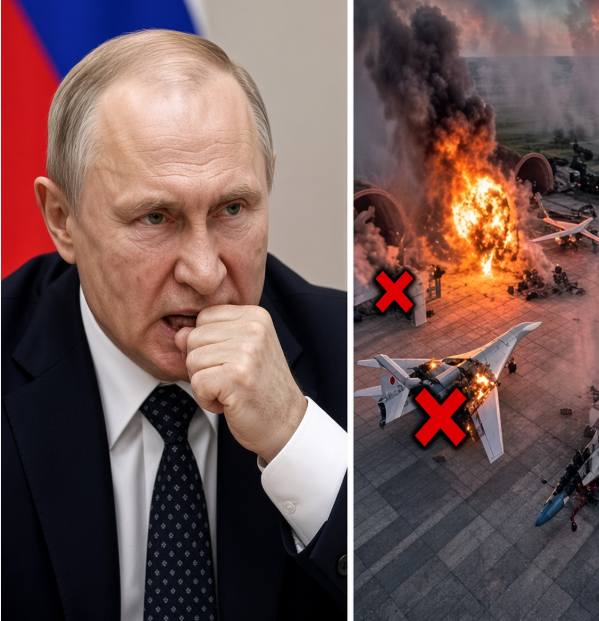
Ukraine’s reported long-range strike against Russia’s Engels-2 airbase highlights the growing vulnerability of Moscow’s strategic aviation to comparatively inexpensive unmanned systems. According to The Geo Network OSINT analysis, Ukrainian special operations personnel penetrated Russian defenses during an attack approximately 800 kilometers from Ukrainian territory, allegedly destroying a Tu-95MS strategic bomber. The exact extent of the damage and the aircraft’s operational status require independent confirmation.
The Tu-95MS remains an important component of Russia’s long-range strike capability, carrying cruise missiles used in attacks against Ukrainian targets. However, replacing a destroyed aircraft presents a significant challenge. The aircraft is based on a Cold War-era design, and restarting production would require specialized manufacturing capacity, components, skilled labor, and substantial investment. The closure of historical production facilities further complicates replacement, although the claim that Russia could never produce another aircraft should not be treated as an established certainty.
The analysis estimates that Russia has approximately 37 combat-capable Tu-95 aircraft remaining. That figure depends on how operational readiness is defined and requires verification against reliable fleet assessments. If losses accumulate, Russia could face increasing pressure to preserve its remaining bombers while maintaining its ability to launch long-range missile attacks.
Moving aircraft farther from Ukrainian strike zones could reduce some immediate risks, but it would introduce logistical complications, longer flight routes, and potentially greater maintenance and operating demands. Keeping bombers at forward bases, meanwhile, could expose valuable aircraft and supporting infrastructure to further drone attacks.
The broader lesson concerns asymmetric warfare: relatively inexpensive drones can threaten military assets that cost vastly more to build and maintain. Nevertheless, the long-term effect depends on confirmed losses, Russia’s defensive adaptations, repair capacity, and the availability of replacement aircraft. The reported strike illustrates mounting pressure on Russian strategic aviation, but it does not alone establish an irreversible collapse.