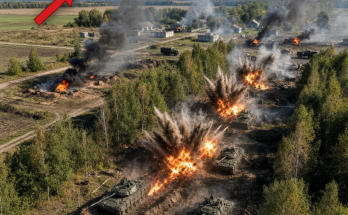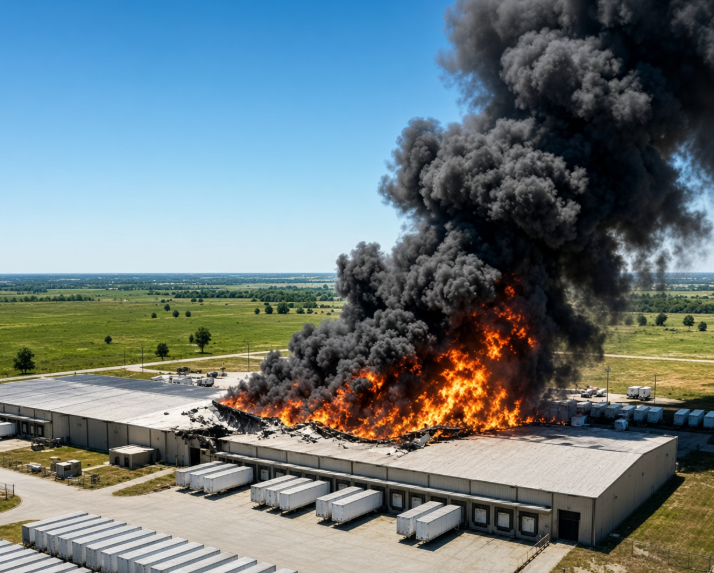
Ukraine’s reported use of the FP-1 long-range one-way attack drone highlights the growing importance of relatively inexpensive unmanned systems in deep-strike operations against Russian logistics and infrastructure. According to the claims presented in this analysis, FP-1 drones were used in a 30-day campaign targeting 18 Russian logistics warehouses across locations including Tambov, Elektrostal, St. Petersburg, and Yekaterinburg.
The central argument is based on cost asymmetry. The FP-1 is described as costing roughly $55,000 per drone, while the economic consequences of successful strikes can be far greater when they disrupt warehouses, distribution networks, fuel supplies, or other critical infrastructure. The reported campaign is therefore presented as an example of how relatively inexpensive systems can impose disproportionately large costs on a much larger military-industrial network.
A major target highlighted in the analysis is the Wildberries logistics network, which operates warehouses and distribution facilities across Russia. Strikes against such dispersed infrastructure demonstrate a challenge for traditional air-defense systems: protecting every warehouse, transportation hub, and industrial facility across a vast territory would require enormous numbers of interceptors, radars, and launch systems.
The FP-1’s reported range of approximately 1,600 kilometers further expands the geographic area that can potentially be targeted. The analysis also points to Russian systems such as the S-400, Pantsir, and Tor as examples of layered defenses that must balance coverage against limited resources.
Finally, the reported production capacity of up to 100 drones per day illustrates how mass production can change the economics of long-range warfare. Rather than relying exclusively on expensive missiles, Ukraine can potentially generate sustained pressure through large numbers of lower-cost unmanned systems.