On September 10, Canadian Prime Minister Mark Carney and Ukrainian President Volodymyr Zelenskyy met in Calgary and signed a declaration establishing the framework for a 100-year Canada-Ukraine partnership. The agreement covers long-term cooperation in defense, security, trade, reconstruction, energy, critical minerals, and technology.
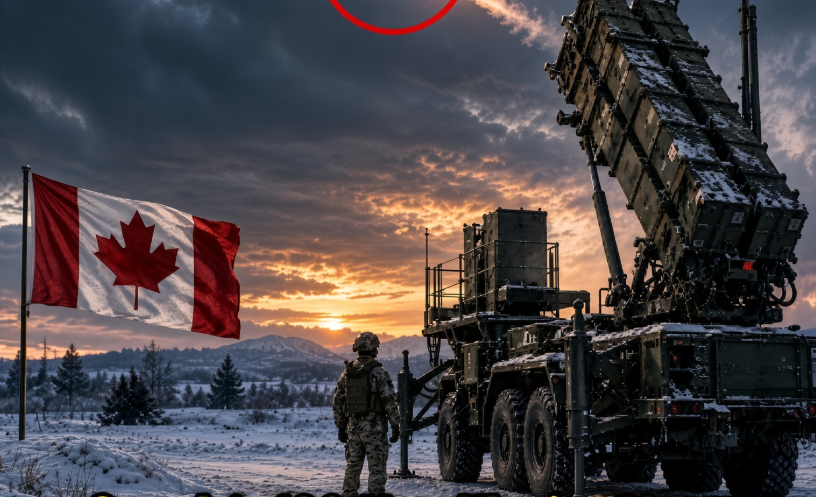
The immediate focus, however, is Ukraine’s air-defense needs. Canada committed approximately C$350 million through the U.S. JUMPSTART mechanism to help Ukraine acquire critical air-defense interceptors. Officials did not specify the exact missile types or delivery schedule, meaning the timing of the assistance remains an important unanswered question.
Canada also announced major plans to expand drone production. The government says it aims to build capacity for millions of drones within two years, with one-third of production intended to support Ukraine. A new Canadian drone marketplace will connect military users with nearly 400 suppliers, while Canadian and Ukrainian companies are developing joint production and technology partnerships.
Project FREYJA is another component of the broader air-defense effort. Canada said it would support Ukraine’s pan-European effort to develop a lower-cost, high-volume interceptor designed to counter Russian ballistic-missile attacks. However, this remains a development and industrial project rather than an immediate source of large numbers of interceptors.
The central challenge is therefore timing. Long-term drone manufacturing, new interceptor programs, and industrial partnerships could strengthen Ukraine’s defenses over time, but Russian missile and drone attacks are creating immediate demands for air-defense ammunition. The September package provides near-term funding while the larger Canada-Ukraine defense partnership develops capabilities intended for the longer term.