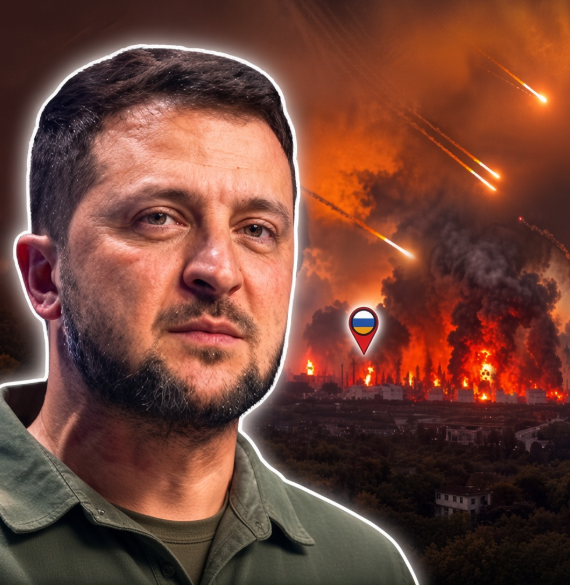
Moscow has reportedly faced a major wave of Ukrainian drone attacks, with claims that more than 1,000 drones and missiles were launched during a concentrated period. The reported campaign highlights Ukraine’s use of saturation tactics designed to place heavy pressure on Russian air defenses and strike critical infrastructure far from the front line.
Among the facilities reportedly targeted was the Kapotnya refinery operated by Gazprom Neft, an important source of fuel for the Moscow region. Claims that the facility supplies 40% of Moscow’s fuel should be treated cautiously, as the exact share and extent of damage require independent verification. The nearby CHPP-22 thermal power plant was also reportedly affected.
The attacks were followed by significant disruption to transportation and fuel markets. Reports indicated that hundreds of flights were affected by temporary airspace restrictions, while fuel shortages and long queues emerged in parts of the capital. Some reports also described restrictions on the amount of gasoline customers could purchase.
Russia’s refining network has faced repeated disruptions from Ukrainian strikes, creating pressure on domestic fuel supplies. Moscow has reportedly increased fuel imports from neighboring countries, including Kazakhstan and Belarus, to help compensate for shortages. However, the scale and duration of these imports remain important factors in determining their economic impact.
The situation is occurring alongside continued Western efforts to restrict Russia’s energy revenues. U.S. lawmakers have proposed additional sanctions targeting Russia and countries purchasing its energy, although the specific measures and their implementation can change.
Overall, the reported attacks demonstrate Ukraine’s growing ability to threaten strategic infrastructure deep inside Russia. Their longer-term impact will depend on the extent of physical damage, Russia’s ability to restore refining capacity, and Moscow’s success in protecting critical facilities from future strikes.